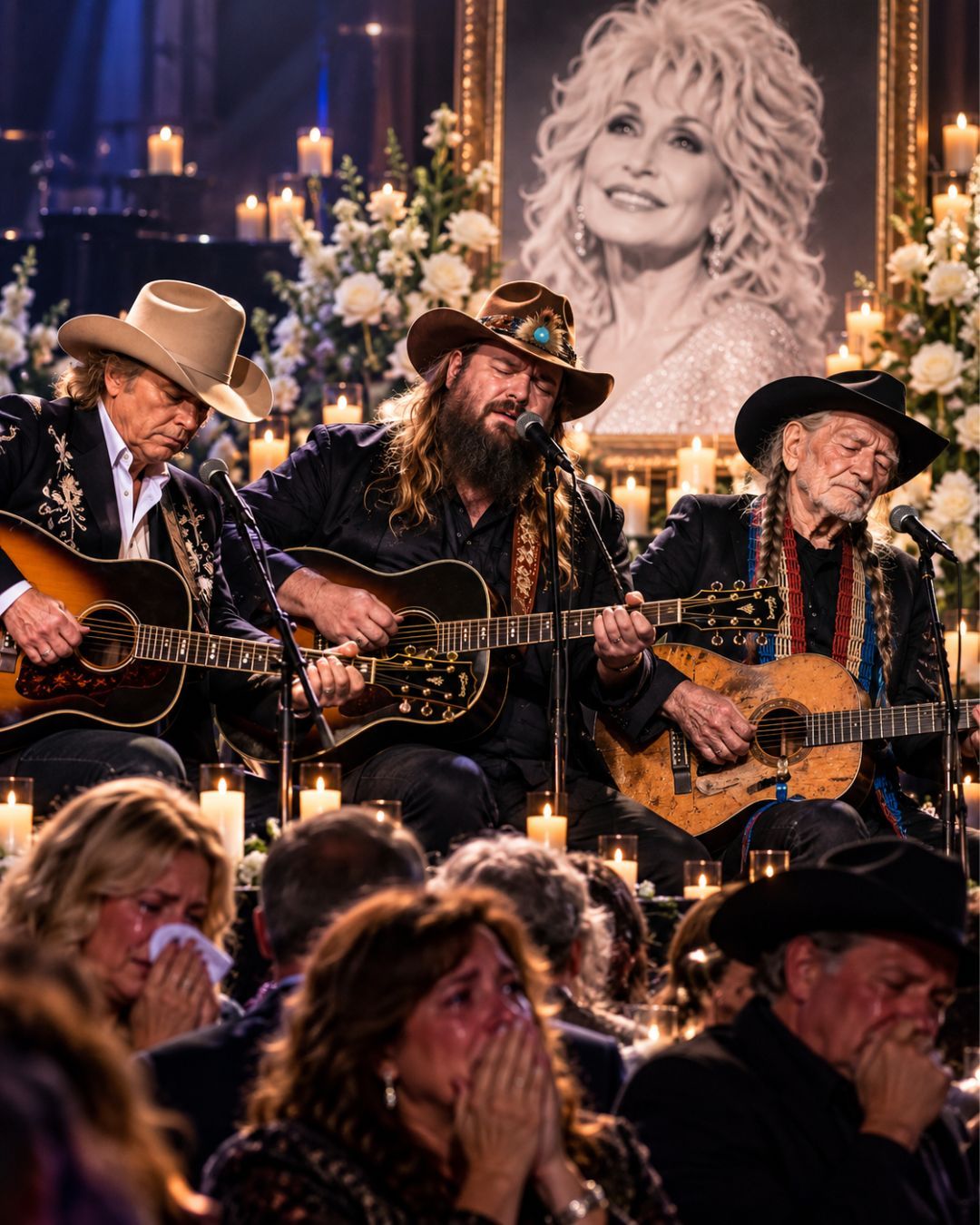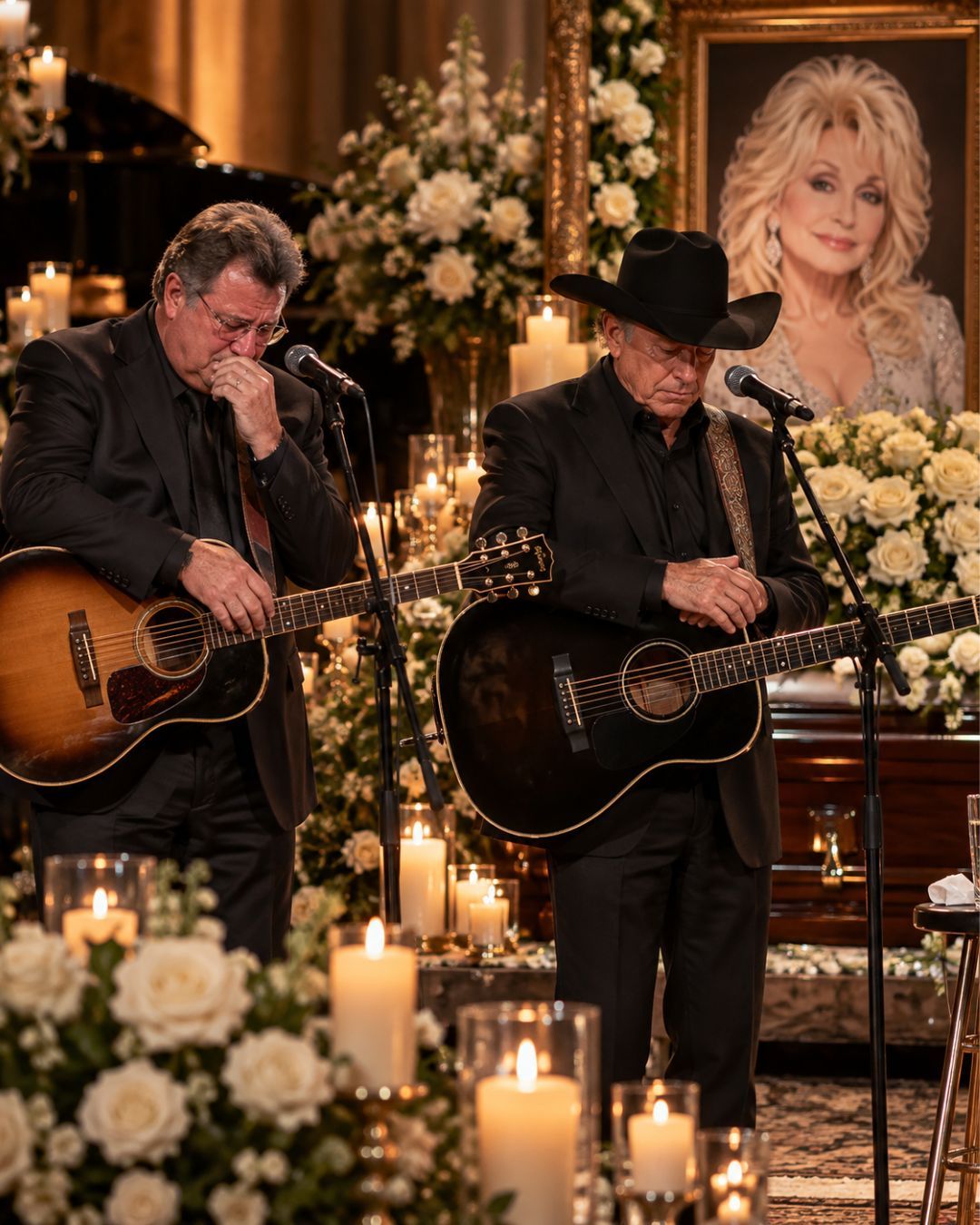
SHE NEVER NEEDED THE SPOTLIGHT TO PROVE HER GREATNESS — DOLLY PARTON MADE ORDINARY LIFE SOUND…
Introduction

There are artists who seem to belong to the stage from the moment the lights come on. Their presence fills the room, their voices demand attention, and their names become part of the history of popular music. Then there are artists who accomplish something more difficult: they make you forget about the stage altogether.
Dolly Parton has spent decades doing exactly that.
Behind the glitter, the unmistakable style, the quick humor, and the extraordinary career is a songwriter who has always understood the emotional weight of an ordinary life. She knew that a kitchen table could hold as many memories as a concert hall. She knew that a worn family photograph could carry more meaning than a trophy. She understood that a childhood memory, once placed inside the right melody, could remain alive for generations.
That understanding became one of the defining qualities of her music.
Dolly Parton never needed to make ordinary people feel small. She made them feel seen.
Her songs often begin with things that sound almost too simple to become timeless: home, family, work, separation, childhood, hope, disappointment, faith, and the passage of time. Yet Dolly possessed the rare ability to look closely at those familiar experiences and discover the extraordinary emotion hidden inside them.
That is part of what makes her songwriting so enduring.
She did not need complicated words to communicate complicated feelings. Instead, she relied on clarity, honesty, melody, memory, and storytelling. Her strongest songs often feel like conversations with someone who has lived enough life to understand that happiness and sadness frequently share the same room.
For generations of listeners, that quality mattered.
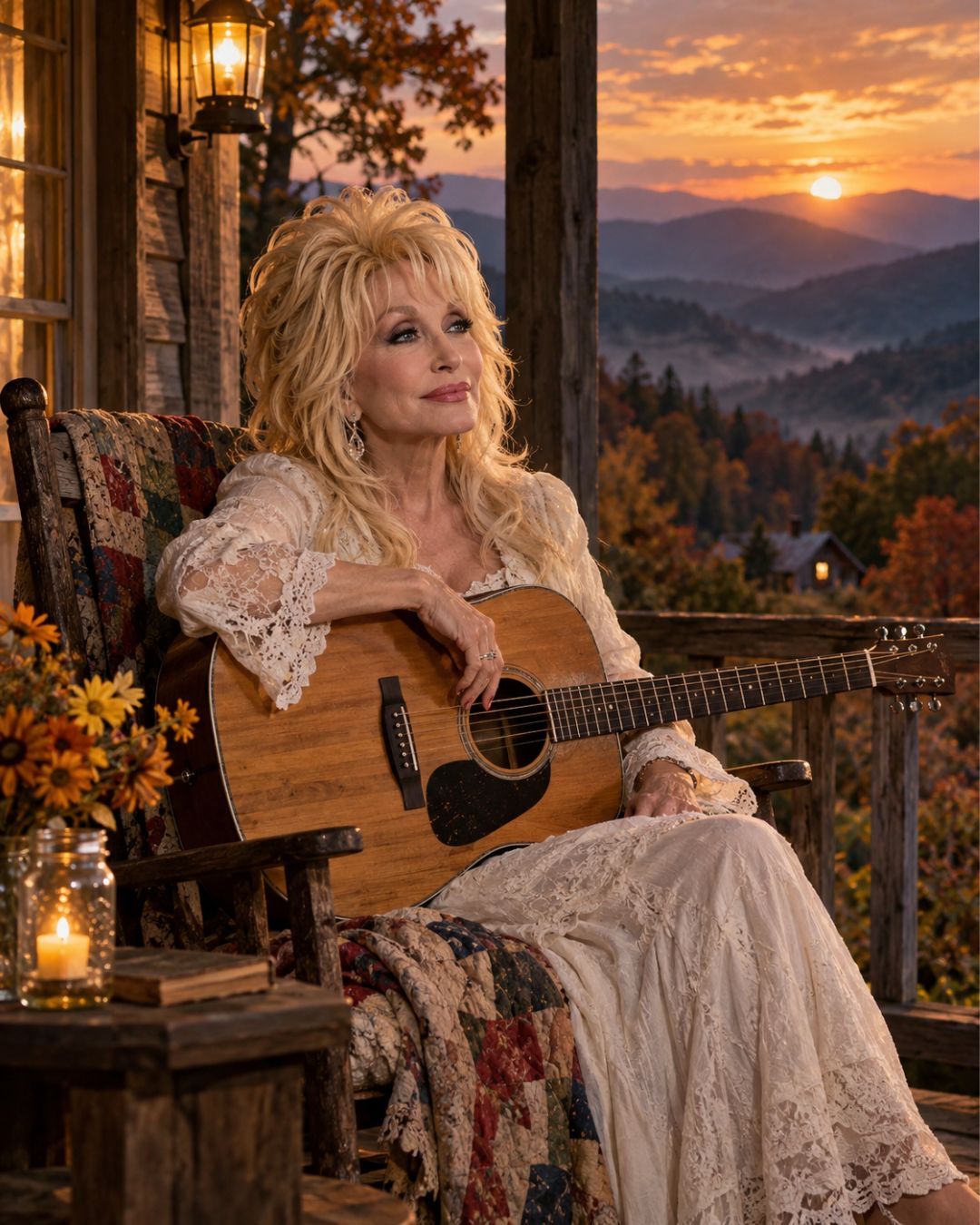
Many people did not encounter Dolly Parton’s music in some grand cultural moment. They heard it in ordinary places. A radio playing in the kitchen. A record spinning in the living room. A car traveling down a long country road. A television performance watched after dinner. A song remembered from childhood that suddenly sounded different after decades of life.
That is how music becomes more than music.
It becomes part of a person’s history.
And Dolly’s connection to the Smoky Mountains and her Appalachian upbringing remained an important part of the emotional foundation of her storytelling. Her success eventually carried her far beyond the world she grew up in, but the themes of family, perseverance, faith, work, humility, and remembering where you came from continued to appear throughout her artistic life.
There was something reassuring about that.
Dolly could stand beneath enormous lights in front of thousands of people and still make a listener feel as though the story belonged to a much smaller room.
That intimacy is difficult to manufacture.
It comes from observation. It comes from memory. It comes from knowing that the person sitting quietly in the audience may have lived through something remarkably similar to the story being sung.
Perhaps that is why older listeners often hear Dolly’s songs differently as the years pass.
A song about leaving home can sound one way at twenty and completely different at sixty.
A song about parents can become more meaningful after they are gone.
A song about hardship can carry a different weight after someone has experienced their own difficult seasons.
And a song about home can become almost sacred after a lifetime of moving farther away from the place where everything began.
Dolly understood that time changes the listener.
Her music could change with them.
That may be one of the most remarkable aspects of her legacy. The songs did not remain frozen in the era in which they were written. They traveled forward with the people who loved them.
The rhinestones may have caught the light, but the stories carried the heart.
The humor made people smile, but the honesty made them stay.
The melodies were memorable, but the emotions gave them a reason to return.
And perhaps that is why Dolly Parton’s greatest contribution cannot be measured simply by records sold, awards received, stages conquered, or honors accumulated.
Her deeper achievement was giving ordinary human experiences a permanent voice.
She reminded listeners that a difficult childhood could still contain beautiful memories. That humble beginnings did not have to determine the size of a dream. That family stories deserved to be remembered. That kindness could travel farther than fame. And that a person could become remarkably successful without pretending to be someone they were not.
There is also something deeply comforting about the way her music respects memory.
Dolly does not simply sing about the past.
She gives the past somewhere to live.
A forgotten room. An old road. A mother’s hands. A familiar voice. A childhood dream. A family struggling together. A person standing at the edge of a new chapter and wondering what comes next.
These details may seem small when life is happening around us.
Years later, they can become everything.
That is the quiet power behind the idea that she never needed the spotlight to prove her greatness.

The spotlight was always there.
But it was never the point.
The point was the song.
The point was the story.
The point was the listener sitting somewhere far away, hearing a familiar melody and suddenly remembering someone, somewhere, or some version of themselves they had not visited in years.
That is when an artist becomes part of people’s lives.
And that may be why Dolly Parton’s music continues to feel so personal even after decades.
She did not simply write about extraordinary moments.
She taught us to listen more carefully to the ordinary ones.
A home can become a memory.
A memory can become a story.
A story can become a song.
And sometimes, if the song is honest enough, it can outlive the moment that created it.
That is the remarkable legacy of Dolly Parton: she turned everyday life into music that generations could carry with them — long after the lights faded, the applause ended, and the room finally grew quiet.